
Indus Culture the most ancient in South Asia
Sindhi culture is one of the oldest and richest cultural traditions in South Asia. Rooted in the IVC, this culture developed along the banks of the great Sindhu River, which has been the lifeline of Sindh for thousands of years. The heritage of the culture reflects peace, creativity, craftsmanship, spirituality, and strong community values. From traditional dress to music, handicrafts, and hospitality, the identity of Sindh is deeply connected with Indus culture.
The foundation of this culture can be traced back to the ancient IVC, which flourished around 2500 BCE in cities like Mohenjo-daro and Harappa. These early urban centers showed advanced town planning, drainage systems, and organized trade. Even today, the spirit of that civilization lives on in the daily life and traditions of Sindh.
Historical Roots of Indus Culture
The ancient Valley Civilization is considered one of the world’s earliest urban civilizations, alongside Mesopotamia and Egypt. The ruins of Mohenjo-daro, located in present-day Sindh, show the architectural brilliance and social organization of early inhabitants. Their structured streets, public baths, and brick houses reveal a highly developed society.
Over centuries, various influences such as Aryan, Persian, Arab, and Mughal cultures blended into the region. However, Indus culture maintained its unique identity. The arrival of Islam in Sindh during the 8th century changed the religion of the people, but it did not erase or replace the ancient culture of the land. Islamic teachings enriched spiritual life, traditions, art, and social values, yet the cultural identity of Sindh remained strong and distinct. Symbols such as the Sindhi Topi and Ajrak continued to represent pride, honor, and heritage.
Sindhi is among the earliest languages into which the Holy Quran was translated, reflecting the deep intellectual and spiritual engagement of the people of Sindh with Islam. At the same time, the script of the ancient Indus civilization found in Sindh is still not fully deciphered, showing how old and advanced this civilization was. This proves that Sindh represents a very ancient and civilized nation whose cultural roots are older than many later civilizations, including the Arab era.
Traditional Dress and Ajrak
One of the strongest symbols of culture is Ajrakh. Ajrakh print is a beautifully designed block-printed cloth traditionally made in Sindh. It is known for its deep indigo blue, red, and white patterns, created through a complex and natural dyeing process. Sindhi Ajrak is not just a piece of fabric; it represents honor, respect, and pride of this valley even today.
In Sindhi society, Ajrak is gifted to guests as a sign of hospitality. It is worn during cultural events, weddings, and national celebrations. The geometric patterns on Ajrak often reflect ancient symbols that connect modern Sindh with its historical roots.
Men traditionally wear a Sindhi Topi along with Ajrak, while women wear colorful embroidered dresses. These traditional clothes reflect modesty, cultural identity, and artistic expression, all central elements of Indus culture.
Ralli or Quilt: The Art of Patchwork
Another beautiful expression of Indus culture is Reli. Ralli is a traditional patchwork quilt handmade by Sindhi women. The word “Ralli” means to mix or connect pieces together. Women stitch small pieces of colorful cloth into detailed patterns, creating stunning quilts.
Ralli making is more than a craft; it is a tradition passed down from mothers to daughters. It reflects patience, creativity, and community bonding. Often, women gather together to work on Ralli, sharing stories and strengthening social ties.
Each Ralli design tells a story and reflects village life, nature, and emotions. This traditional art form represents the strength and talent of women in preserving Indus culture.
Language and Literature
Language plays an important role in shaping Indus culture. The Sindhi language is one of the oldest living languages in the region. It has a rich literary tradition filled with poetry, folklore, and spiritual writings.
Famous Sufi poets like Shah Abdul Latif Bhittai and Sachal Sarmast expressed themes of love, peace, and unity in their poetry. Their verses still inspire people and are sung in traditional gatherings. Sufi literature promotes harmony and tolerance, which are core values of Indus culture.
Folktales, proverbs, and traditional stories also pass moral lessons from one generation to the next. These stories keep cultural wisdom alive and strengthen community identity.
Music and Spirituality
Music is the heartbeat of Indus culture. Traditional Sindhi music is deeply connected with Sufi philosophy. Instruments such as the tambura, dholak, and harmonium are commonly used in cultural gatherings.
Sufi shrines across Sindh are centers of spiritual and cultural activities. Devotees gather to listen to devotional songs that promote love, humanity, and unity. These spiritual traditions have kept Indus culture alive through centuries of change.
The message of peace and tolerance found in Sufi teachings reflects the inclusive nature of this culture. People from different backgrounds participate in festivals and spiritual events, showing strong communal harmony.
Festivals and Celebrations
Festivals are an essential part of this culture. Cultural events such as Sindhi Cultural Day celebrate traditional dress, Ajrak, Sindhi cap, and music. On this day, people proudly wear their cultural attire to show unity and pride in their heritage.
Religious festivals like Eid are also celebrated with traditional foods, music, and gatherings. Weddings are colorful and joyful events filled with music, dance, and traditional customs.These celebrations strengthen social bonds and remind people of their shared identity rooted in Sindhu culture.
Handicrafts and Economic Life
Handicrafts play a major role in sustaining Indus culture and supporting local economies. Besides Ajrak and Ralli, Sindh is known for embroidery, pottery, woodwork, and handicrafts made from natural materials.
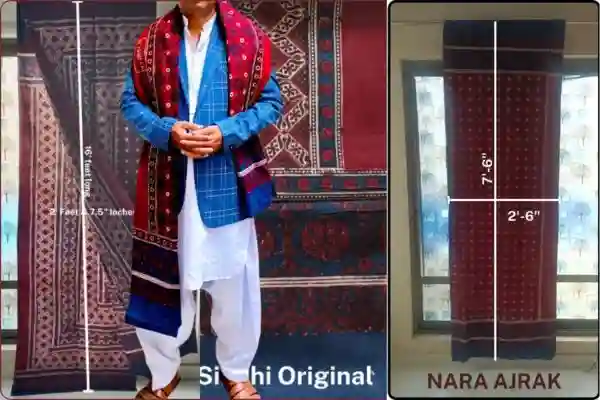
Artisans use traditional techniques passed down for generations. These crafts are often made by hand, reflecting dedication and skill. Markets in Sindh display these colorful products, attracting visitors from across Pakistan and abroad.
Agriculture and fishing have also been traditional sources of livelihood along the Indus River. The river continues to shape daily life, providing water for crops and supporting rural communities.
Hospitality and Social Values
Hospitality is a core element of Sindhi-culture. Guests are treated with respect and generosity. Offering Ajrak as a gift symbolizes warmth and welcome. Sharing food, tea, and stories reflects the strong sense of community.
Family values are deeply respected. Elders are honored, and joint family systems are common in rural areas. Respect, honesty, and unity are important principles that guide social life.
Conclusion
In today’s fast-changing world, globalization and modernization pose challenges to traditional lifestyles. However, efforts are being made to preserve their culture. Cultural festivals, educational programs, and media campaigns promote awareness about traditional crafts and heritage.
Indus tradition stands as a powerful symbol of history, creativity, and unity. From the ancient ruins of to the vibrant patterns of Ajrak and the artistry of Ralli, every element reflects resilience, beauty, and a deeply rooted civilization. It represents spiritual harmony, artistic excellence, and strong community values that have survived for thousands of years.
Although Sindhis were dispersed after the separation of the subcontinent in 1947, under the Two-Nation Theory and the creation of , their cultural identity remained unbroken. Today, Sindhis living abroad in , , the , , and many other countries proudly wear Ajrak as a symbol of Sindhi tradition. They celebrate Ajrak Day on the first Sunday of December in the USA, Dubai, Pakistan, and across the world.
Ajrak and the Sindhi Topi are not just cultural items; they are the identity of the Sindhi nation. This heritage cannot be forgotten, replaced, or erased, because Indus culture lives in the hearts of Sindhis wherever they reside.
When is Cultural Day celebrated?
It is celebrated on the first Sunday of December every year. This day is also widely known as Ajrak Topi Day and is observed in Pakistan and by Sindhi communities around the world.
Why is Cultural Day celebrated by Sindhis?
The Day is celebrated to honor the richest heritage of Sindhis, including traditional dress, language, music, handicrafts, Ajrak, and Sindhi Topi. It promotes unity, peace, and cultural pride.
Where is Sindhi Cultural Day celebrated?
It is celebrated across Sindh and other provinces of Pakistan with great enthusiasm. Sindhi communities living abroad in the USA, Dubai, India, Hong Kong, and many other countries also organize cultural events and gatherings. In the United States, the celebration is observed twice — once in July in Houston and again along with Sindhi communities worldwide on the first Sunday of December — reflecting the strong global connection of Sindhis with their tradition.
What do Sindhis wear on this Day?
Sindhis male and female proudly wear Ajrak and the Sindhi Topi. Women often wear traditional embroidered dresses, while men wear cultural attire to show pride in Indus culture.
What activities take place on Indus Culture Day?
Cultural rallies, musical programs, poetry gatherings, seminars, and social media campaigns are organized. Traditional songs, Sufi music, and folk performances are important parts of the celebration.
Is Indus Culture Day a public holiday?
Indus Culture Day is not an official public holiday, but it is widely celebrated by cultural organizations, educational institutions, and Sindhi communities worldwide on Sunday, the public holiday in December every year.
Why is Ajrak important on Indus Culture Day?
Ajrak represents the true identity of Sindhis. Its intricate designs are created using traditional printing blocks, yet the patterns resemble brick-like structures, symbolizing strength and unity. Just as the blocks come together to form a beautiful whole, Sindhis living across the world—in the USA, Dubai, Hong Kong, India, and beyond—remain united through their culture. Wearing Ajrak reflects pride in their heritage, love for Sindh, and a commitment to preserving the timeless traditions of Indus culture, showing that distance cannot break the bond of their identity.